Table of contents
- Why Choose a Copper Rain Chain with Decorative Cups?
- How Does Copper Enhance the Appearance of Rainwater Drainage?
- Where Should a Copper Rain Chain Be Installed?
- How to Choose the Right Rain Cup Chain?
- Maintaining a Copper Rain Chain Throughout the Year
- Combining Decorative Design with Practical Drainage
Rainwater drainage is essential for protecting a building, but conventional downpipes rarely contribute much to its appearance. A copper rain chain offers an alternative by transforming falling rainwater into a visible architectural feature. Rather than concealing water inside a closed pipe, this system guides it through decorative metal elements. Cup-shaped designs are particularly appealing because they combine controlled water movement with distinctive visual details, making them suitable for traditional properties and contemporary homes alike.
Why Choose a Copper Rain Chain with Decorative Cups?
Unlike conventional linked chains, cup-shaped models feature individual containers positioned vertically to collect and transfer rainwater.
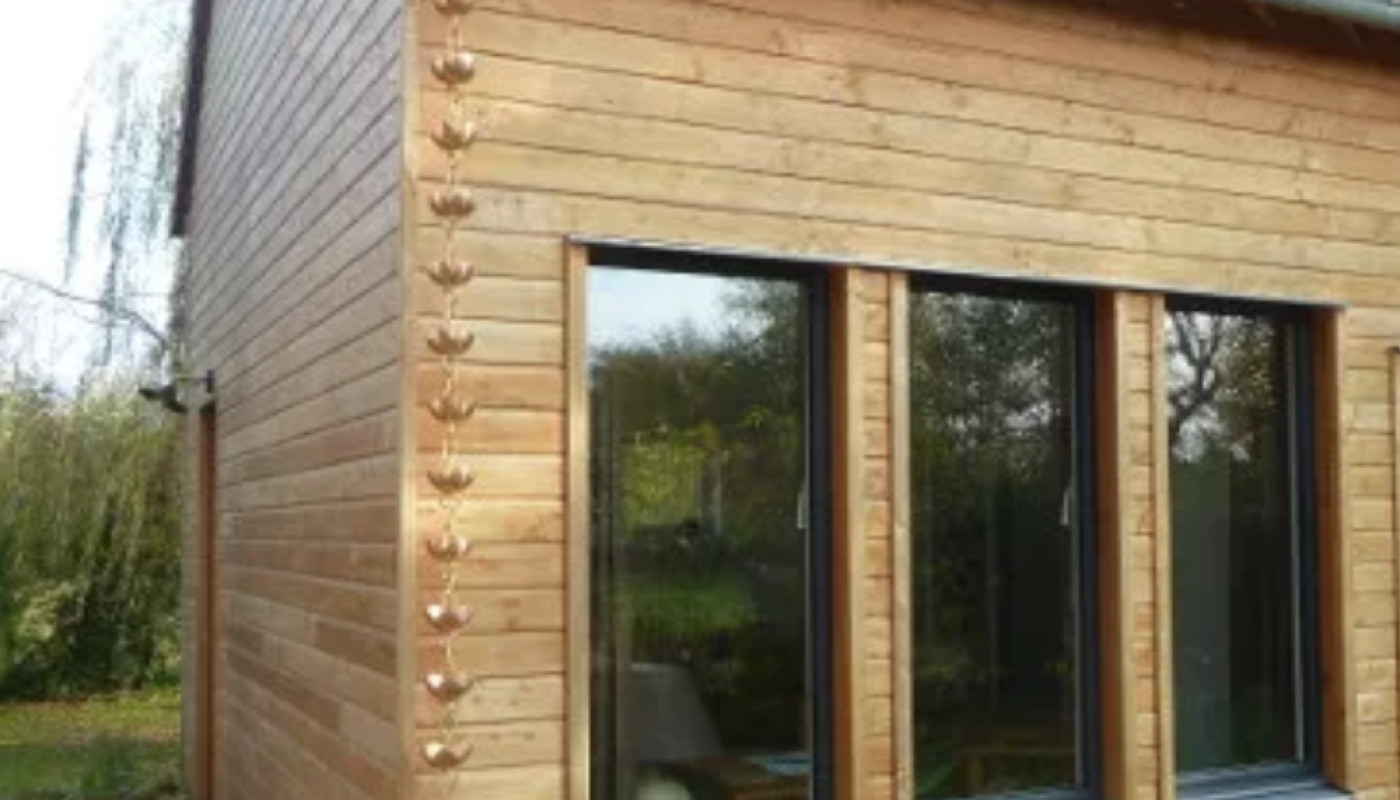
A copper rain cup chain creates a cascading effect as water passes between successive cups, adding movement and visual interest to a building's exterior.
This design offers several advantages:
Decorative appeal: repeated cup shapes create an elegant vertical feature.
Controlled water movement: cups help direct moderate rainfall towards the ground.
Natural ageing: copper gradually develops a distinctive patina.
Architectural versatility: the material complements brick, timber, stone and rendered façades.
Visible drainage: water flow can be observed directly during rainfall.
A rain cup chain therefore provides an opportunity to integrate a functional drainage component into the overall exterior design.
How Does Copper Enhance the Appearance of Rainwater Drainage?
Copper is valued for its warm metallic colour and natural ageing process.
When newly installed, a copper rain chain typically displays reddish-brown tones that contrast attractively with many building materials.
Over time, exposure to moisture and atmospheric conditions changes its appearance.
A natural patina that evolves outdoors
Copper gradually develops a protective surface layer through oxidation.
Depending on environmental conditions, its colour may evolve towards deeper brown shades and eventually greenish tones.
This transformation is particularly appealing on period properties, where naturally aged materials often complement existing architectural features.
A material suited to different architectural styles
A decorative rainwater chain can enhance various exterior settings.
On traditional homes, copper works well alongside natural stone, brickwork and slate roofing.
For contemporary buildings, its warmer appearance provides an interesting contrast against pale render, dark window frames or minimalist cladding.
The result is a drainage element that contributes to the building's visual identity.
Where Should a Copper Rain Chain Be Installed?
Placement influences both the appearance and performance of the installation.
A copper rain chain for gutters is often most effective when positioned somewhere visible, such as beside an entrance, veranda or garden terrace.
However, decorative considerations must be balanced with practical drainage requirements.
Consider the amount of rainwater
The roof area feeding the gutter outlet determines how much water the chain must accommodate.
A cup style rain chain may provide better flow guidance than an open-link design, but heavy rainfall can still cause splashing or overflow.
For larger roof sections, conventional downpipes or additional drainage outlets may remain necessary.
Prepare the drainage area below
Water reaching the bottom of the chain must be directed away from the building.
Suitable solutions include decorative gravel beds, drainage basins, water butts or connections to existing drainage systems.
The discharge point should prevent water from collecting near foundations or frequently used pathways.
How to Choose the Right Rain Cup Chain?
Selecting a suitable model involves considering several technical and aesthetic factors.
Before purchasing, homeowners should examine:
Cup dimensions: larger cups may provide improved guidance for stronger water flows.
Chain length: the installation must match the distance from the gutter to the drainage point.
Material composition: genuine copper and copper-coloured finishes may age differently.
Fixing compatibility: the attachment must suit the existing gutter outlet.
Wind exposure: exposed installations may require additional anchoring.
A copper gutter chain should also be proportionate to the building. Oversized cups can overwhelm a small porch, while very narrow designs may appear insignificant on taller façades.
Maintaining a Copper Rain Chain Throughout the Year
Copper requires relatively little decorative maintenance, particularly when its natural patina is desired.
However, the drainage system should be inspected periodically.
Leaves and debris must be removed from gutter outlets, while fixings should be checked after strong winds.
During freezing weather, accumulated ice can increase the weight of the chain and place additional stress on its supports.
Regular inspections help preserve both its appearance and functionality.
Combining Decorative Design with Practical Drainage
A copper rain chain transforms an ordinary drainage component into an architectural feature.
Its cascading cups introduce movement, texture and changing reflections during rainfall, while the copper surface develops character over time.
When correctly sized, securely installed and connected to appropriate ground drainage, a copper rain cup chain can combine visual elegance with effective everyday water management.
On the same subject

Zero Waste Habits: How to Minimize Your Household's Output

Exploring Vertical Gardens: A Fresh Perspective

Minimalist Living: A New Approach to Habitat Design
